Sachsenhausen Concentration Camp
- telkamonka
- Nov 28, 2025
- 2 min read
Updated: Feb 15
History: Sachsenhausen was first established near Oranienburg, a town north of Berlin. It was designed by Schutzstaffel (SS) architects to serve as a model camp and training center for SS officers. Over 200,000 people were imprisoned in Sachsenhausen between 1936-1945. It originally held opponents of the German regime, but also held Jews, Slavs, Sinti, Roma, homosexuals, and those classified as antisocials. After the start of the Second World War, people from occupied territories, mostly Slavs, were sent to Sachsenhausen. At this concentration camp, prisoners had to deal with starvation, disease, and abuse. Sachsenhausen also made prisoners work for German companies, with tasks such as marching for long periods to test German footwear.

Although Sachsenhausen wasn’t originally meant to be an extermination camp, the SS killed over 10,000 Soviet POWs in a neck shot unit. A gas chamber was added later in 1943. As the Soviet army approached the camp, the SS forced 30,000 prisoners on a death march, and shot those who fell behind. The camp was liberated by a Soviet-Polish force on April 22, 1945. Later the same year, the Soviet NKVD established Special Camp No. 7 at the Sachsenhausen site. It held around 60,000 people, including Nazi officials and political opponents. 12,000 died of malnutrition and disease, and the camp closed in 1950.

In 1961, the East German government opened the Sachsenhausen National Memorial. After reunification, the memorial was redesigned to include a museum documenting the Soviet camp. Today, Sachsenhausen Memorial and Museum is the closest former concentration camp to Berlin, making it one of the most visited concentration camps.
My Visit: Starting off Day 3, there was only one thing on the agenda for the day; to visit the concentration camp. I took a train to Oranienburg, and took a taxi to the concentration camp.

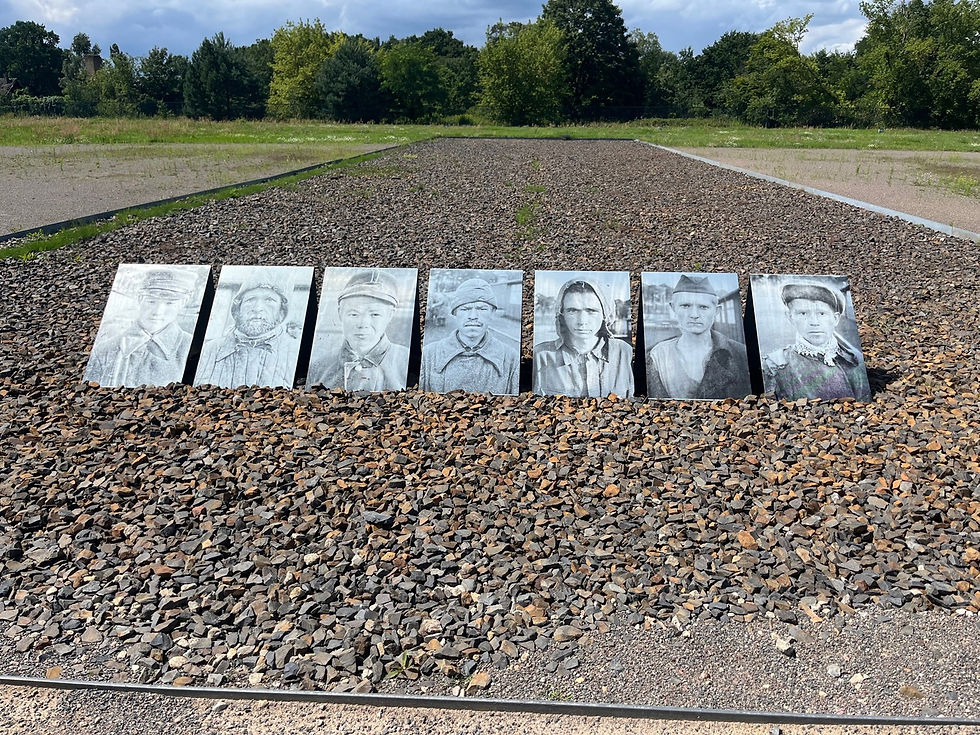
From there, I went on an English tour. First, I saw a map of the area, and I noticed the camp was expansive. My tour group went to the camp’s garage, and from there we entered the official camp area. We saw the barracks where the prisoners lived, the gas chambers and shooting ranges where they died and where the officers lived. We also saw the prisoner eating area and where they worked. The tour lasted for a total of 2 hours, and after that I was allowed to freely walk around the camp.

While I was walking, I felt a sense of horror and disgust. How could humans perform such atrocities to other humans? From there, I left and took a train back to Berlin, ending Day 3 on a solemn note.
Photo Gallery:


I bet this was a tough experience for you as a visitor. It forces one to think about many things, not only about the tragedies of the past, but also the importance of government actions in the present and even more important about our own involvement in elections of responsible public representatives.